What is the 50/30/20 rule?
The 50/30/20 rule divides your take-home pay (what lands in your account after taxes and deductions) into three parts:
- 50% for needs: the bills you must pay to live and work.
- 30% for wants: the things that make life enjoyable but you could live without.
- 20% for savings: your emergency fund, extra debt payments and future goals.
Instead of tracking 40 categories, you only watch three numbers. That is why it works so well for beginners.
Real examples by income
| Monthly take-home pay | Needs (50%) | Wants (30%) | Savings (20%) |
|---|---|---|---|
| $3,000 | $1,500 | $900 | $600 |
| $4,000 | $2,000 | $1,200 | $800 |
| $5,000 | $2,500 | $1,500 | $1,000 |
Use your take-home pay, not your salary. If you're paid every two weeks, add up a typical month of paychecks.
What counts as a need vs. a want?
Needs
- Rent or mortgage
- Utilities and phone
- Groceries
- Insurance
- Transportation and gas
- Minimum debt payments
- Childcare
Wants
- Dining out and takeout
- Streaming and subscriptions
- Clothes beyond the basics
- Hobbies and entertainment
- Travel
- Upgrades (the nicer phone, the premium plan)
A quick test: if you stopped paying for it, would your health, home, job or credit be at risk? If yes, it's a need. Groceries are a need; the fancy coffee on the way to work is a want.
What if your needs are more than 50%?
That's very common, especially with high rent. Don't give up on the rule. Start with a split that's realistic for you today, like 60/30/10 or 60/20/20, and move toward 50/30/20 as you cut costs. The one thing to protect: savings always gets a slice, even if it starts small.
How to set up your 50/30/20 budget in 4 steps
- Find your monthly take-home pay. Look at your last two or three paychecks.
- List last month's spending. Your bank and card statements tell you exactly where the money went.
- Sort every expense into needs, wants or savings. Add up each bucket and compare it to your targets.
- Automate the 20%. Set up a transfer to a separate savings account on payday, so saving happens before spending.
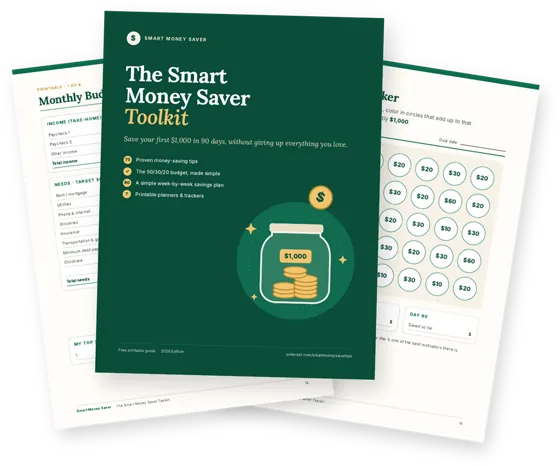
The free toolkit includes a printable Monthly Budget Planner laid out in these exact three buckets, so you can fill it in each month in about 15 minutes.